
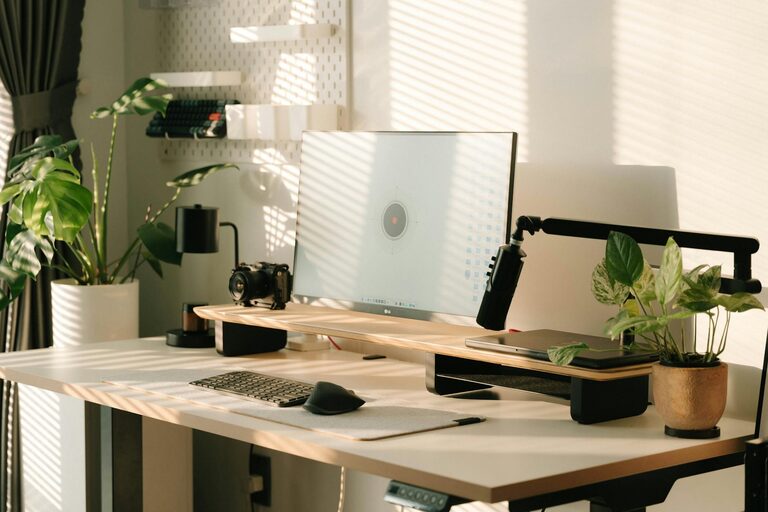
Working from home has become the norm for many people, bringing new opportunities and challenges. Creating a productive home office environment is essential to maintaining focus, motivation, and well-being throughout your working day. Whether you have a dedicated room or a small corner of your home, the right setup can make all the difference.
In this post, we will explore practical tips to help you design a home office space that promotes productivity, comfort, and efficiency.
Choose the Right Location
Selecting the best spot for your home office is the first step. Ideally, choose a quiet area with plenty of natural light. Natural light helps improve mood and reduces eye strain. Avoid high-traffic parts of the house where noise or interruptions are common.
If possible, use a separate room to create a clear boundary between work and home life. This separation makes it easier to focus during working hours and relax afterwards.
Invest in a Comfortable Chair and Desk
Spending long hours at your desk means comfort is crucial. An ergonomic chair that supports your back and encourages good posture can prevent discomfort and long-term issues. Look for features such as adjustable height, lumbar support, and comfortable cushioning.
Your desk should also be suited to your needs. It should be large enough to hold your computer, documents, and any other tools you need, without causing clutter. Adjustable desks that allow you to alternate between sitting and standing can boost circulation and reduce fatigue.
Keep Your Workspace Organised
A tidy workspace helps reduce distractions and makes it easier to find what you need. Consider storage options such as shelves, drawers, or filing cabinets to keep documents and supplies organised.
Use cable management solutions to avoid tangled cords, which can look untidy and feel frustrating. Label storage containers or files for quick access.
Minimise Distractions
Working from home can come with many distractions, including family members, pets, or electronic devices. To stay focused, set clear boundaries with those around you about your working hours.
Consider noise-cancelling headphones if background noise is an issue. Turning off non-essential notifications on your devices can also help you maintain concentration.
Optimise Lighting
Good lighting is vital for productivity and comfort. Aim for a combination of natural light and adjustable artificial lighting.
Position your desk near a window, but avoid glare on your screen. A good desk lamp with adjustable brightness and colour temperature can reduce eye strain, especially during darker months or late evenings.
Personalise Your Space
Making your home office pleasant and motivating can improve your mood and productivity. Add plants, artwork, or photos that inspire you.
Choose colours that you find calming or energising. Soft blues and greens usually help with focus, while brighter colours can boost alertness.
Set a Routine and Boundaries
A productive environment is not just about the physical space but also about habits. Set regular work hours and breaks to maintain a healthy routine.
Use techniques like the Pomodoro method—working in focused bursts with short breaks—to keep energy levels high. Clearly communicate your schedule to family or housemates to respect your work time.
Include Essential Technology and Tools
Ensure you have a reliable internet connection and the necessary equipment such as a computer, printer, or headset.
Organise software and apps to streamline your tasks, such as calendars, task managers, or communication tools. Regularly update devices and backup important files to prevent disruptions.
Take Care of Your Well-being
Remember to take breaks, stretch, and move around during the day. Sitting for long periods can negatively impact your health and productivity.
Consider adding a small space for relaxation or exercise near your office if possible. Staying hydrated and having healthy snacks nearby can also help maintain focus.
Conclusion
Designing a productive home office environment requires attention to both your physical space and daily habits. By choosing the right location, investing in comfort, organising your workspace, and setting clear boundaries, you create conditions that support effective and enjoyable work.
Remember, your home office should be a space where you feel comfortable, focused, and motivated. Use these tips as a guide to tailor a workspace that suits your needs and lifestyle. With the right setup, working from home can be both efficient and fulfilling.