
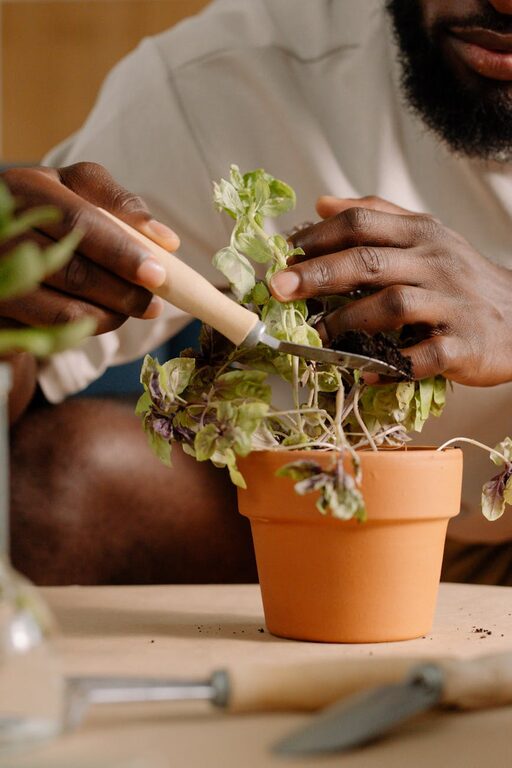
Creating and maintaining a healthy indoor garden can bring a breath of fresh air and a splash of green into your home all year round. Whether you’re a seasoned plant enthusiast or just starting out, understanding the basics of indoor plant care will help your garden flourish through every season. Here are essential tips to nurture a vibrant indoor garden throughout the year.
Choosing the Right Plants for Indoor Gardening
Not all plants thrive indoors, so selecting varieties suited to your home environment is the first step.
– Low Light Plants: If your indoor space has limited natural light, opt for plants like snake plants, pothos, or ZZ plants. These adapt well to low light and require less maintenance.
– Bright Light Plants: For rooms with plenty of sunlight, consider succulents, cacti, or herbs such as basil and rosemary.
– Humidity Lovers: Tropical plants like ferns, peace lilies, and calatheas prefer higher humidity, ideal for kitchens or bathrooms.
Providing Adequate Light
Light is the primary energy source for your plants, so ensuring they receive enough is critical.
– Natural Light: Position plants near windows where they can get suitable light levels. South-facing windows generally offer the most sun exposure in the UK.
– Artificial Grow Lights: If natural light is limited, use full-spectrum grow lights to supplement your plants’ needs, especially during the darker winter months.
– Rotation: Rotate your pots every week or so to ensure all sides of the plant receive equal light, promoting balanced growth.
Proper Watering Techniques
Watering is often the trickiest part of indoor gardening. Overwatering or underwatering can harm your plants.
– Check Soil Moisture: Before watering, test the soil with your finger about 2-3cm deep. Water only if the soil feels dry.
– Use Room Temperature Water: Cold water can shock plant roots, so use water at room temperature.
– Drainage is Key: Ensure your pots have drainage holes to prevent waterlogging, which can cause root rot.
– Adjust Watering by Season: Plants generally need less water in winter as growth slows down but more during warmer months.
Humidity and Temperature Control
Indoor environments can sometimes be drier than plants prefer, especially in heated homes.
– Maintain Humidity: Grouping plants together helps increase humidity. You can also place a water tray with pebbles near your plants or use a humidifier.
– Avoid Draughts and Heat Sources: Keep plants away from cold draughts, radiators, and direct heat vents to prevent stress.
– Ideal Temperature Range: Most indoor plants thrive between 18-24°C. Sudden temperature changes can be harmful.
Feeding Your Indoor Plants
Plants need nutrients to grow well. Fertilising supplies these essential nutrients.
– Use Balanced Fertilisers: Choose a balanced, water-soluble fertiliser for most indoor plants.
– Follow Package Instructions: Overfeeding can cause damage—stick to the recommended amounts and frequency.
– Feed During Growing Season: Generally, fertilise plants during spring and summer when they are actively growing, and reduce feeding in autumn and winter.
Pruning and Cleaning
Regular maintenance keeps plants healthy and looking their best.
– Prune Dead Leaves and Flowers: Removing wilted or yellow leaves encourages new growth and prevents pests.
– Trim Overgrowth: Some plants need regular trimming to maintain shape and size.
– Dust Leaves: Gently wipe leaves with a damp cloth to keep the surfaces clean for efficient sunlight absorption.
Pest Management
Even indoor gardens can attract pests. Early detection and treatment prevent infestations.
– Identify Common Pests: Watch for signs of aphids, spider mites, mealybugs, and scale insects.
– Natural Controls: Wipe leaves with soapy water or use neem oil sprays. Avoid harsh chemicals indoors.
– Isolate New Plants: Quarantine new plants for a couple of weeks before adding them to your existing collection to avoid introducing pests.
Repotting and Soil Care
As plants grow, they may outgrow their pots or need fresh soil.
– When to Repot: Look for roots growing out of drainage holes or slow growth as signs to repot.
– Choose the Right Soil: Use a high-quality indoor potting mix suitable for your plant types.
– Repot with Care: Gently loosen roots and place the plant in a slightly larger pot with fresh soil to support new growth.
Seasonal Adjustments
Adjust your care routine by season to keep plants thriving.
– Winter: Reduce watering, increase humidity, and ensure sufficient light with the help of grow lights.
– Spring: Begin fertilising and consider repotting to support new growth.
– Summer: Monitor for pests, increase watering, and provide adequate ventilation.
– Autumn: Gradually reduce feeding and watering as growth slows.
Creating a Routine and Enjoying Your Garden
Consistency is key to success in indoor gardening.
– Set a weekly schedule for watering, feeding, and checking plant health.
– Enjoy the process of watching your indoor garden grow—it’s a calming and rewarding hobby that benefits your living space.
—
With these essential tips, maintaining a lush and healthy indoor garden year-round is achievable. Remember to observe your plants closely and adjust care as needed. Happy gardening!