
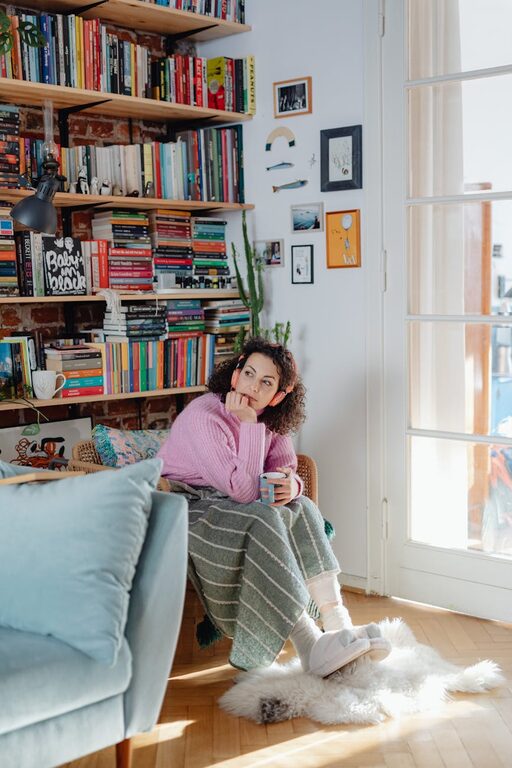
Creating a cosy and inviting reading nook at home can transform your everyday reading experience into a cherished ritual. Whether you have a sizeable spare room or just a small corner to spare, designing the perfect nook is all about comfort, good lighting, and personal touches. Here are practical tips to help you craft a space where you’ll love to unwind with a good book.
Choose the Right Location
The first step in creating a reading nook is selecting an ideal spot. Think about where you naturally spend quiet time and feel relaxed.
– Quiet corner or unused space: Look for a low-traffic area where you can escape distractions.
– Near natural light: A window seat or a corner near a window offers gentle daylight, which is perfect for reading.
– Consider privacy: If your home is busy, try to find a nook away from the main hubs to minimise noise.
Even a small alcove or a space under the stairs can be turned into a charming reading spot.
Focus on Comfortable Seating
Your reading nook should invite you to sit and stay for a while, so comfort is key.
– Choose a supportive chair: An armchair, rocking chair, or a small cushioned sofa can work well.
– Add cushions and throws: Soft cushions and a cosy throw blanket make your spot more inviting and allow for temperature control.
– Consider a window seat: A built-in bench with cushions can create a perfect blend of seating and storage.
Test your chosen seat to ensure it supports good posture to prevent discomfort during longer reading sessions.
Optimize Lighting for Reading
Good lighting is essential to reduce eye strain and create an inviting atmosphere.
– Use natural light when possible: Position your seating near a window, but consider adjustable blinds to control glare.
– Add task lighting: A good reading lamp with adjustable brightness is invaluable, especially for evening or gloomy days.
– Choose warm-toned bulbs: Warm lighting creates a relaxing ambience, making the nook feel cosy.
If wiring is an issue, adjustable clip-on lamps or battery-operated LED lights are handy alternatives.
Incorporate Bookshelves or Storage Solutions
Keeping your favourite books close by adds convenience and charm to your nook.
– Small bookshelves or wall-mounted shelves: These make good use of vertical space without crowding the area.
– Storage baskets or boxes: They can hold magazines, blankets, or even a journal and writing tools.
– A small side table: Perfect for placing your cup of tea, reading glasses, or a notebook.
Organising your nook with accessible storage maintains tidiness, which supports relaxation.
Add Personal Touches and Decor
Your reading nook should reflect your personality and interests to feel truly welcoming.
– Use favourite colours: Soft, muted tones tend to be calming, but a splash of your favourite colour can add warmth.
– Incorporate plants: A small indoor plant or two introduces a fresh, natural vibe.
– Display meaningful artwork or photos: These make your space emotionally comforting.
– Rugs and curtains: A soft rug can define the nook, while curtains help adjust light and add softness.
Personal touches make the nook feel like a special retreat rather than just another corner of your home.
Pay Attention to Temperature and Sound
Comfort also depends on the environment’s temperature and noise levels.
– Add a small heater or fan as needed: Keeping the temperature just right ensures longer comfort.
– Use soundproofing techniques: Thick rugs, curtains, or acoustic panels reduce noise.
– Consider calming background sounds: A gentle playlist, white noise machine, or nature sounds can enhance relaxation.
Creating a peaceful atmosphere encourages deep focus and enjoyment.
Keep It Clutter-Free and Inviting
Clutter can distract and detract from the cosy vibe you want.
– Limit furniture and clutter: Avoid overcrowding the space; a few well-chosen items work best.
– Regularly tidy up: Maintaining order makes the nook more appealing and easier to use.
– Have a designated place for items: Keep bookmarks, notebooks, and pens in one spot.
A tidy nook is more inviting and makes settling down to read a pleasure.
Final Thoughts
A reading nook is your personal sanctuary within your home. By selecting a good location, ensuring comfortable seating, providing proper lighting, and adding personal touches, you create a space that invites you to relax and lose yourself in your favourite stories. With a bit of planning and creativity, your reading nook can become your go-to spot for relaxation and inspiration. Happy reading!