
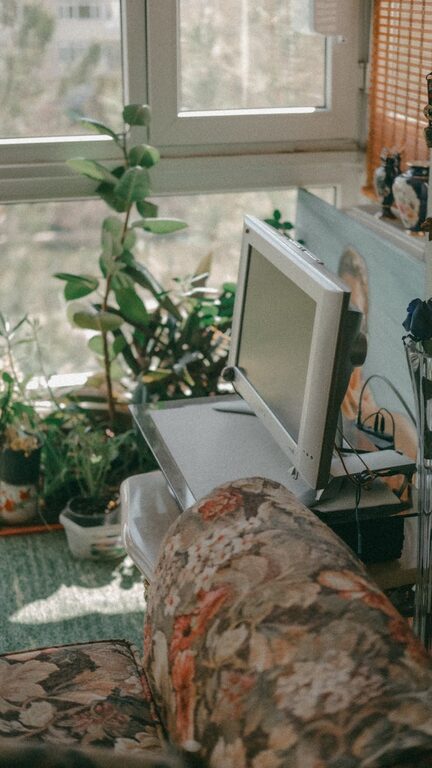
Creating a peaceful and relaxing home environment can have a significant impact on your overall wellbeing. In a world that is often fast-paced and stressful, having a calm space to retreat to is essential for recharging both your mind and body. Whether you live in a small flat or a large house, there are plenty of ways to transform your home into a haven of tranquillity. This guide will offer practical tips to help you design a more relaxing home atmosphere.
Start with Decluttering
Clutter can create a sense of chaos and anxiety. A tidy, organised space encourages relaxation by reducing visual noise and making it easier to focus on your wellbeing.
– Sort through your belongings: Keep only what you love or use regularly and find new homes or donate items that no longer serve you.
– Use storage solutions: Baskets, boxes, and shelving can help keep things orderly while complementing your décor.
– Adopt a daily tidy-up habit: Spending just 5–10 minutes a day putting things in place prevents build-up.
Choose Calming Colours
Colours have a strong psychological effect and can influence mood and energy levels.
– Opt for soft, neutral tones: Shades like pale blue, gentle greens, creams, and soft greys tend to induce calmness.
– Avoid bright, harsh colours: Bold reds or neon colours might energise but can also increase stress.
– Use accent colours wisely: Touches of muted colours like lavender or pastel pink can add warmth without overwhelming the senses.
Bring in Natural Elements
Nature has a soothing effect on us, and incorporating natural elements into your home helps promote relaxation.
– Add indoor plants: They improve air quality and create a peaceful visual connection to the outdoors.
– Use natural materials: Wood, stone, cotton, and wool add texture and warmth.
– Maximise natural light: Open curtains or blinds during the day and keep windows clean to let sunshine wash through your rooms.
Create Dedicated Relaxation Zones
Having specific areas designated for relaxation or mindful activities can encourage you to unwind.
– Set up a reading nook: A comfy chair with soft lighting and your favourite books invites quiet moments.
– Designate a meditation or yoga corner: Use cushions, mats, or candles to signal a calm space for mindful practices.
– Consider soothing scents: Use essential oils, scented candles, or diffusers with calming fragrances like lavender, chamomile, or sandalwood.
Invest in Comfortable Furniture and Textiles
Comfort plays a key role in creating a relaxing atmosphere.
– Choose ergonomic furniture: Supportive chairs and sofas reduce physical tension.
– Layer with soft textiles: Throws, cushions, and rugs contribute to a cosy feel and gentle tactile comfort.
– Consider temperature control: Use blankets or fans to keep your environment comfortably cool or warm as needed.
Limit Noise and Distractions
Sound profoundly impacts your relaxation. Reducing unwanted noise can help you feel more at ease.
– Use soft furnishings to absorb sound: Curtains, cushions, and rugs help dampen noise.
– Play calming background sounds: Gentle music, nature sounds, or white noise machines can mask disruptive sounds.
– Create quiet times: Establish periods during the day or evening when noise is minimised.
Keep Technology in Check
Technology can both connect and overwhelm us.
– Set boundaries for device use: Avoid screens at least an hour before bedtime.
– Create tech-free zones: Keeping phones and computers out of bedrooms supports restful sleep.
– Use “Do Not Disturb” modes: These reduce interruptions and promote focused downtime.
Incorporate Personal Touches
Your home should be a reflection of your personality and interests.
– Display artwork or photographs you love: These can evoke positive memories or inspiration.
– Add meaningful objects: Items that bring joy or calm can help reinforce a sense of security and peace.
– Organise spaces to suit your routines: A well-planned layout makes daily activities flow smoothly with less stress.
Prioritise Air Quality
Fresh air can revitalise your home environment and your mind.
– Keep windows open when weather allows: Regular ventilation lowers indoor pollutants.
– Use air-purifying plants: Species like spider plants and peace lilies are known for improving indoor air.
– Avoid harsh cleaning products: Opt for natural or eco-friendly options to reduce irritants indoors.
Maintain a Relaxing Routine
Your environment works best alongside healthy habits.
– Establish regular times for relaxation: Whether it’s a morning meditation or an evening cup of tea by the window.
– Practice mindfulness in your space: Take moments throughout your day to pause, breathe deeply, and be present.
– Adjust your environment seasonally: Small changes to rugs, lighting, and textiles can keep your home cosy all year round.
—
By implementing these tips, you can create a home environment that nurtures calmness and supports your wellbeing. Remember, your home is your sanctuary — take time to make it a space where you feel comfortable, happy, and relaxed every day.