
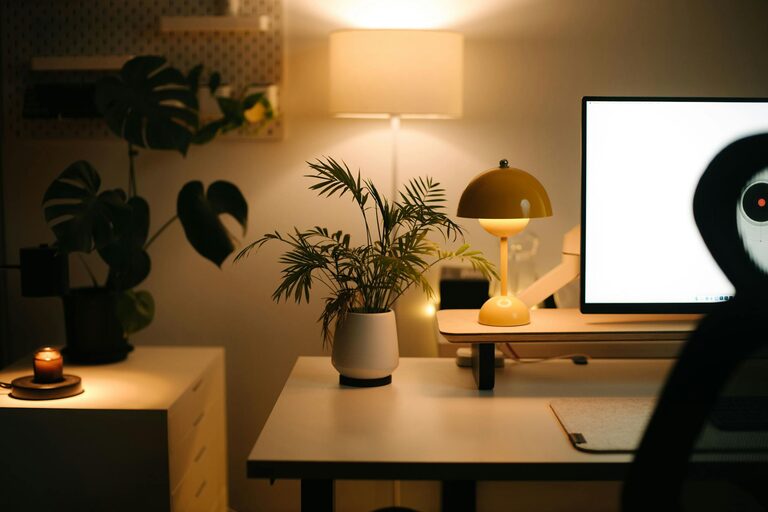
Creating a cosy and inviting home office space has become a priority for many. Whether you work remotely full-time or need a dedicated spot for occasional tasks, your work environment plays a big role in how motivated and comfortable you feel. A well-designed home office balances functionality with comfort, encouraging focus without sacrificing a warm, welcoming atmosphere.
In this post, we’ll explore practical tips to help you design a home office that feels both cosy and efficient. From lighting choices to furniture positioning, these ideas are easy to implement and will transform your workspace into a place you’ll enjoy spending time in.
Choose the Right Location
Prioritise Natural Light
When selecting a spot for your home office, aim for an area that receives plenty of natural light. Daylight helps regulate your mood and keeps you alert throughout the day. If possible, position your desk near a window, making sure that glare doesn’t interfere with your screen.
Consider Noise Levels
A peaceful environment reduces distractions. Choose a quieter corner of your home away from busy kitchens or living rooms. If you don’t have a separate room, use partitions or room dividers to create a sense of separation.
Select Comfortable and Functional Furniture
Invest in an Ergonomic Chair
Comfort matters, especially if you spend long hours working. An ergonomic chair supports your posture and reduces strain on your back and neck. Look for adjustable features so you can customise the chair to your needs.
Choose a Desk That Fits Your Space
Choose a desk that suits your workflow and the size of your room. A spacious desk with storage options can keep your workspace tidy and organised, which is essential for maintaining a clear mind.
Add Soft Furnishings
Incorporate cushions or a cosy throw on your chair for extra comfort. These also add texture and warmth to the room, making it feel more inviting.
Use Warm and Soothing Colours
Colours influence the atmosphere of your workspace. Soft, neutral tones like beige, pale grey, and warm whites create a calm surrounding. For a touch of character, add accents in muted greens, blues, or earthy tones, which are known to reduce stress and improve concentration.
Avoid overly bright or harsh colours, as they can feel overwhelming and distract from your work.
Optimise Lighting
Layer Your Lighting
A combination of ambient, task, and accent lighting works best. Start with a ceiling light for general illumination. Add a desk lamp to focus light where you need it most, especially if you work with documents or need detailed clarity.
Consider Warm Bulbs
Choose bulbs that emit warm, soft light rather than cool, harsh light. Warm lighting creates a cosy atmosphere and reduces eye strain, making working for longer periods more comfortable.
Personalise Your Workspace
Add Personal Touches
Display items that inspire you, such as photos, artwork, or meaningful objects. Personalising your space makes it feel uniquely yours, encouraging a positive mindset and creativity.
Incorporate Plants
Greenery breathes life into any room. Plants help purify the air and can reduce stress levels. Choose easy-care varieties like succulents, spider plants, or peace lilies, which thrive indoors without much fuss.
Keep Your Workspace Organised
Clutter can quickly make a room feel chaotic and less inviting. Use storage boxes, trays, or organisers to keep documents and supplies neatly arranged. Regularly clear your desk to create a sense of calm and readiness.
Use Soft Textures and Rugs
Adding a soft rug beneath your desk or a cosy blanket nearby enhances the tactile comfort of your home office. Textiles absorb sound too, which can help reduce background noise and create a quieter environment.
Incorporate Aromatherapy
Scent plays an understated role in making a space inviting. Use subtle fragrances like lavender, lemon, or eucalyptus through candles or diffusers to create a calming ambiance. Be mindful to keep scents light and natural to avoid overwhelming your senses.
Manage Technology Thoughtfully
Keep your tech essentials within reach and neatly arranged. Use cable organisers to manage wires and consider wireless devices for a cleaner look. Position your screen at eye level to prevent neck strain.
Regularly Refresh Your Space
Small changes such as rotating artwork, updating cushions, or changing the position of furniture can keep your home office feeling fresh and inviting. Seasonal updates with colours or décor can boost your mood and keep the space enjoyable year-round.
—
By combining these tips, you can design a home office that is both cosy and productive. Remember, the key is to create a space that supports your work habits while making you feel comfortable and motivated. A little effort in arranging your workspace can lead to greater focus and satisfaction throughout your working day.