
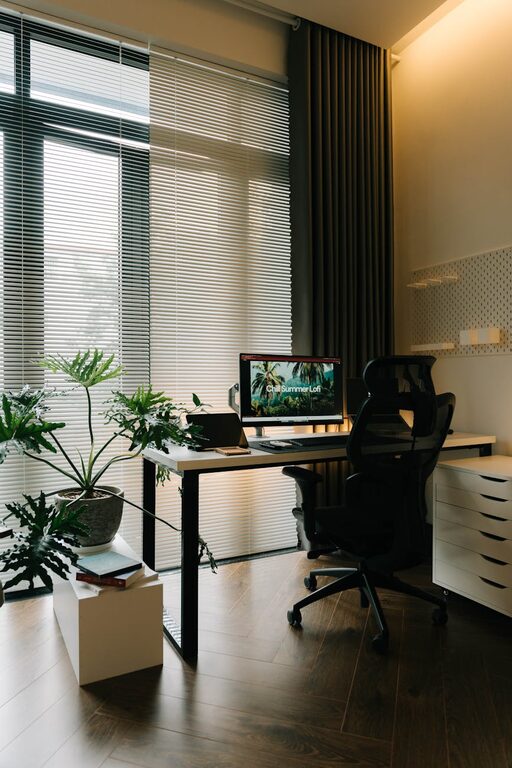
Creating a relaxing home workspace can significantly improve your productivity and overall wellbeing. As many people continue to work from home, the environment where you spend your working hours plays a huge role in your motivation, concentration, and stress levels. In this post, we’ll guide you through simple yet effective ways to set up a workspace that feels calm and energising, helping you to work smarter and feel better.
Why a Relaxing Workspace Matters
A workspace that promotes relaxation doesn’t mean it’s a place to slack off; rather, it’s an environment that supports focus and reduces distractions. When your workspace feels comfortable and tidy, it’s easier to stay on task and maintain a positive mindset throughout the day. Stress and clutter can cause fatigue and reduce your ability to concentrate, so taking some time to create a harmonious area pays off in many ways.
Choose the Right Location
Opt for Natural Light
Whenever possible, position your desk near a window. Natural light boosts mood and energy levels, which can help keep you alert and engaged. Avoid glare on screens by using blinds or curtains to control the brightness.
Find a Quiet Corner
Select a spot in your home where noise and interruptions are minimal. If that’s not possible, consider noise cancelling headphones or soft background music to minimise distractions.
Invest in Comfortable Furniture
Ergonomic Chair
A supportive chair is crucial for comfort and posture. Look for adjustable features such as seat height, backrest tilt, and armrests to suit your body.
Desk at the Right Height
Your desk should allow your forearms to be parallel to the floor when typing. This helps prevent strain and encourages good posture.
Add a Footrest
If your feet don’t rest flat on the floor, a footrest can reduce pressure on your lower back and improve circulation.
Keep Your Workspace Organised
Declutter Regularly
An organised space reduces stress and saves time spent searching for items. Use trays, drawers, or shelves to keep essential items nearby but out of sight.
Use Cable Management
Tidy cables reduce visual distraction. Clips or cable sleeves can help keep wires neat and prevent tangles.
Personalise Mindfully
A few personal touches like plants, photos, or artwork can make your workspace inviting. However, avoid overcrowding the area to maintain a peaceful atmosphere.
Incorporate Calming Elements
Add Greenery
Indoor plants improve air quality and bring a sense of nature indoors. Easy-to-care-for plants like succulents or spider plants are excellent choices.
Choose Soothing Colours
Soft colours such as pale blue, green, or neutral tones can create a calming environment. If repainting isn’t an option, accessories like cushions or desk mats can add these colours.
Use Aromatherapy
A subtle diffuser with essential oils like lavender or eucalyptus can promote relaxation and focus. Just be mindful of sensitivities or allergies among household members.
Set Up Good Lighting
Balanced Lighting
Combine natural light with adjustable artificial lighting. Desk lamps with warm tones reduce eye strain during the evening.
Avoid Harsh Fluorescent Lights
If possible, avoid harsh lighting which can be tiring to look at for long periods and may cause headaches.
Take Regular Breaks
Implement the Pomodoro Technique
Work in focused intervals of 25 minutes followed by 5-minute breaks. This method can enhance concentration and prevent burnout.
Create a Break Area
If space allows, have a comfortable spot separate from your desk where you can stretch or relax during breaks.
Manage Technology Wisely
Use Dual Monitors or Larger Screens
If your work involves multiple applications, additional screens can reduce time switching between tabs and improve workflow.
Keep Devices Updated
Regular software updates and antivirus protection maintain security and reduce slowdowns.
Limit Distractions
Close unnecessary tabs and silence non-urgent notifications to maintain focus.
Maintain Healthy Habits
Stay Hydrated
Keep a water bottle at your desk and drink regularly to stay hydrated and refreshed.
Practice Good Posture
Take moments to check your posture to avoid discomfort or injury.
Stretch or Move
Incorporate stretching or light exercises to reduce stiffness and boost circulation.
Final Thoughts
Designing a relaxing home workspace is about creating a balance between comfort and functionality. The goal is to have a space where you feel motivated, clear-headed, and calm. By thoughtfully selecting your location, furniture, lighting, and organising your space, you can turn your home office into a haven that supports your work and wellbeing. Experiment with different ideas and listen to your body’s needs to find what works best for you.
Taking these steps doesn’t have to be expensive or time-consuming. Even small changes can have a noticeable impact on how you feel and perform throughout your workday. Remember, a peaceful workspace is a productive workspace.