
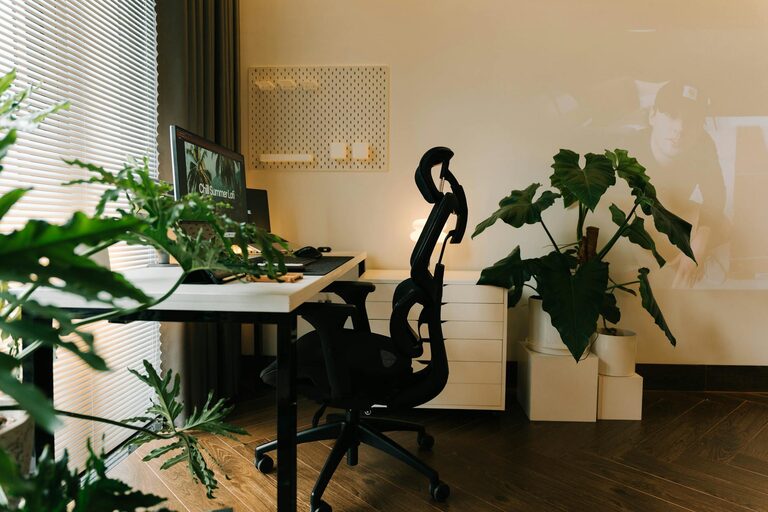
Creating a home office that is both relaxing and productive can make a significant difference to your work experience and overall well-being. Whether you work remotely full-time or occasionally need a dedicated space for focused tasks, the right environment helps reduce stress and increase efficiency. In this post, we’ll explore practical tips to help you design a home office space that supports both relaxation and productivity.
Choose the Right Location
The first step in setting up your home office is picking the right spot. Ideally, select a space that is quiet and away from heavy foot traffic or distractions. If you have a spare room, this can serve as a dedicated office, but many people successfully use a nook or corner in their living room or bedroom.
Consider Natural Light
Natural light has a positive impact on mood and energy levels. Try to position your desk near a window, if possible, to enjoy daylight during working hours. If natural light is limited, invest in good quality, adjustable artificial lighting to avoid eye strain.
Invest in Comfortable and Functional Furniture
Your furniture choices can greatly influence how comfortable and efficient your work feels.
– Desk: Choose a desk with enough surface area for your computer, paperwork, and any other essentials.
– Chair: An ergonomic chair is a must. It supports good posture and helps prevent back pain, especially if you work for long stretches.
– Storage: Organise paperwork and supplies with shelves, filing cabinets, or drawers to keep the space tidy and clutter-free.
Keep the Space Organised
A cluttered workspace can hinder focus and increase stress. Use organisers such as trays, cable management systems, and drawer dividers to keep everything in its place. Regularly declutter your desk and storage areas to maintain a clean environment.
Personalise Your Space for Calm and Creativity
Adding personal touches can make your office feel welcoming and inspiring. Consider:
– Plants: Indoor plants improve air quality and add a calming natural element.
– Artwork or photos: Display images that motivate or relax you.
– Colour scheme: Soft, neutral tones promote relaxation, while brighter accents can boost creativity.
Balance is key—too many decorations might distract rather than soothe.
Minimise Distractions
Create boundaries to separate work from home life.
– Use noise-cancelling headphones or background music if external noise is an issue.
– Set clear work hours and communicate them with family or housemates.
– Turn off unnecessary notifications on your devices to maintain concentration.
Utilise Technology Wisely
Technology can enhance productivity when used thoughtfully.
– Choose monitors at eye level to reduce neck strain.
– Use wireless keyboards and mice to avoid tangled cables.
– Employ apps or tools that support task management and time tracking.
– Ensure your Wi-Fi connection is stable to prevent interruptions.
Take Regular Breaks
Even the best workspace won’t help if you sit for hours without a break. Incorporate short pauses to stretch, walk, or relax your eyes. Consider using a sit-stand desk or an adjustable workstation to vary your posture.
Create a Relaxing Atmosphere
To maintain a calm environment, focus on elements that reduce stress and promote focus.
– Air Quality: Ensure good ventilation or use an air purifier.
– Temperature: Maintain a comfortable temperature for your comfort.
– Lighting: Use warm lights in the evening to ease the transition from work to rest.
– Scent: A subtle scent, like lavender or eucalyptus, can help create a soothing vibe.
Maintain Healthy Work Habits
A well-designed home office supports positive work habits.
– Set daily goals to give structure to your workday.
– Keep healthy snacks and water nearby to stay energised.
– Avoid working in bed or on the sofa to help separate work time from relaxation.
Final Thoughts
A home office that prioritises both relaxation and productivity is achievable by paying attention to your environment and habits. By choosing the right location, investing in comfortable furniture, organising effectively, and personalising thoughtfully, your workspace can become a place where you enjoy working and stay motivated. Remember, an inviting and functional space supports your professional success as well as your personal well-being.